4 minutes
Towards Trusted and Inclusive Electoral Processes: The Role of Observers
Council of Europe joint debate on strengthening election observation in a changing electoral environment
Election observation remains essential to electoral integrity and public trust, but it must keep evolving. This was the central message of the Council of Europe joint debate in Paris, where Rasťo Kužel served as General Rapporteur.
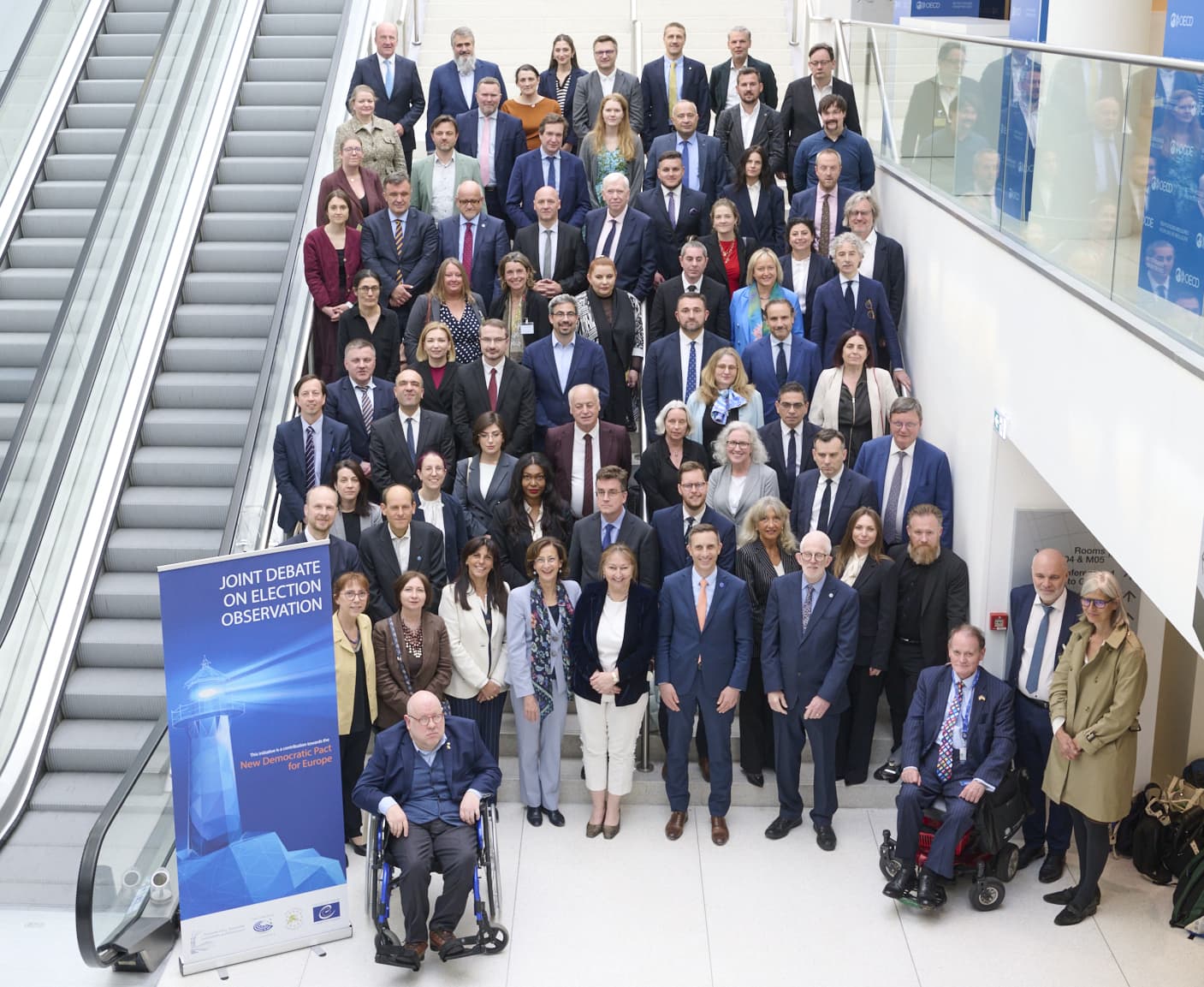
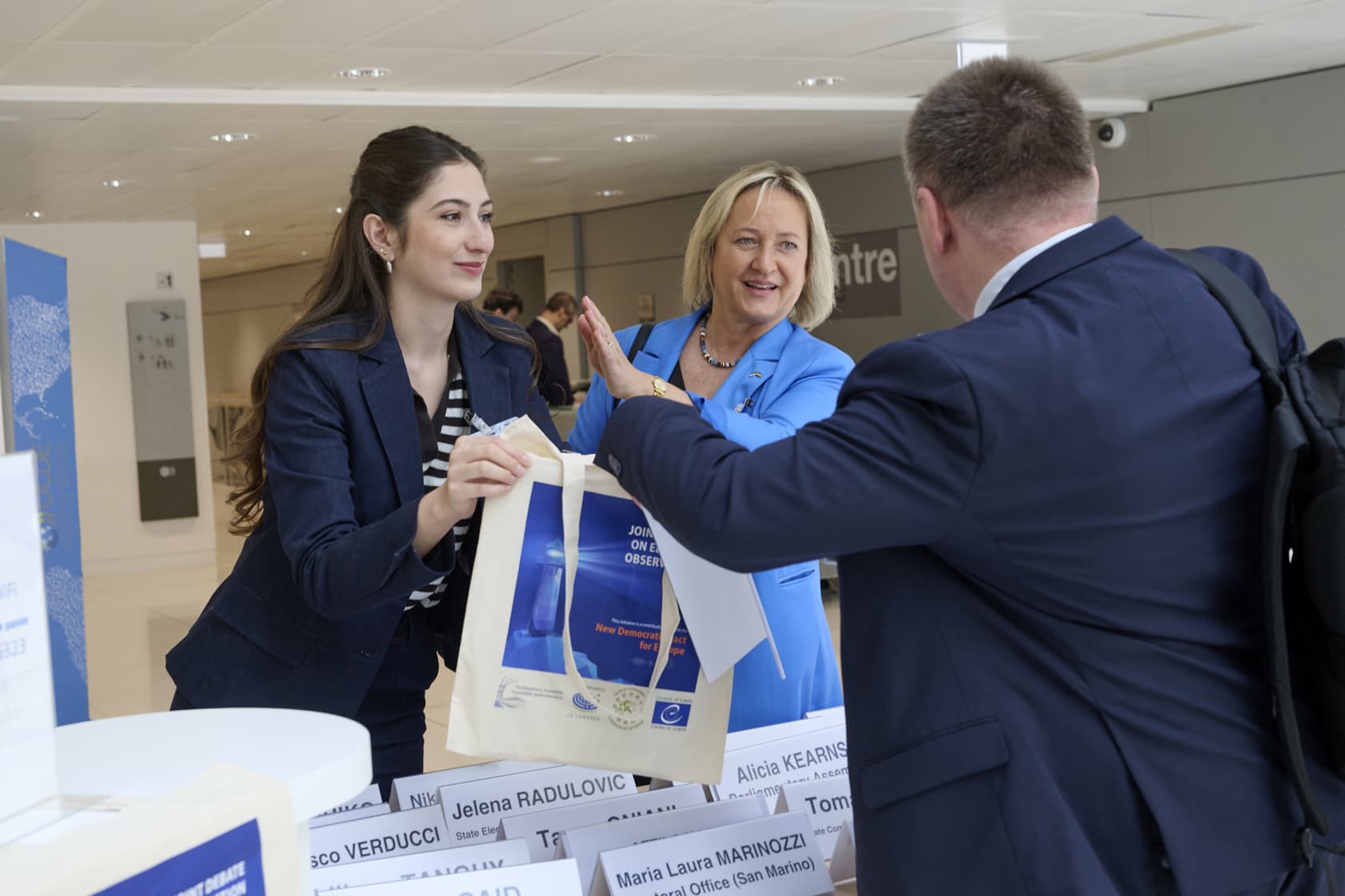
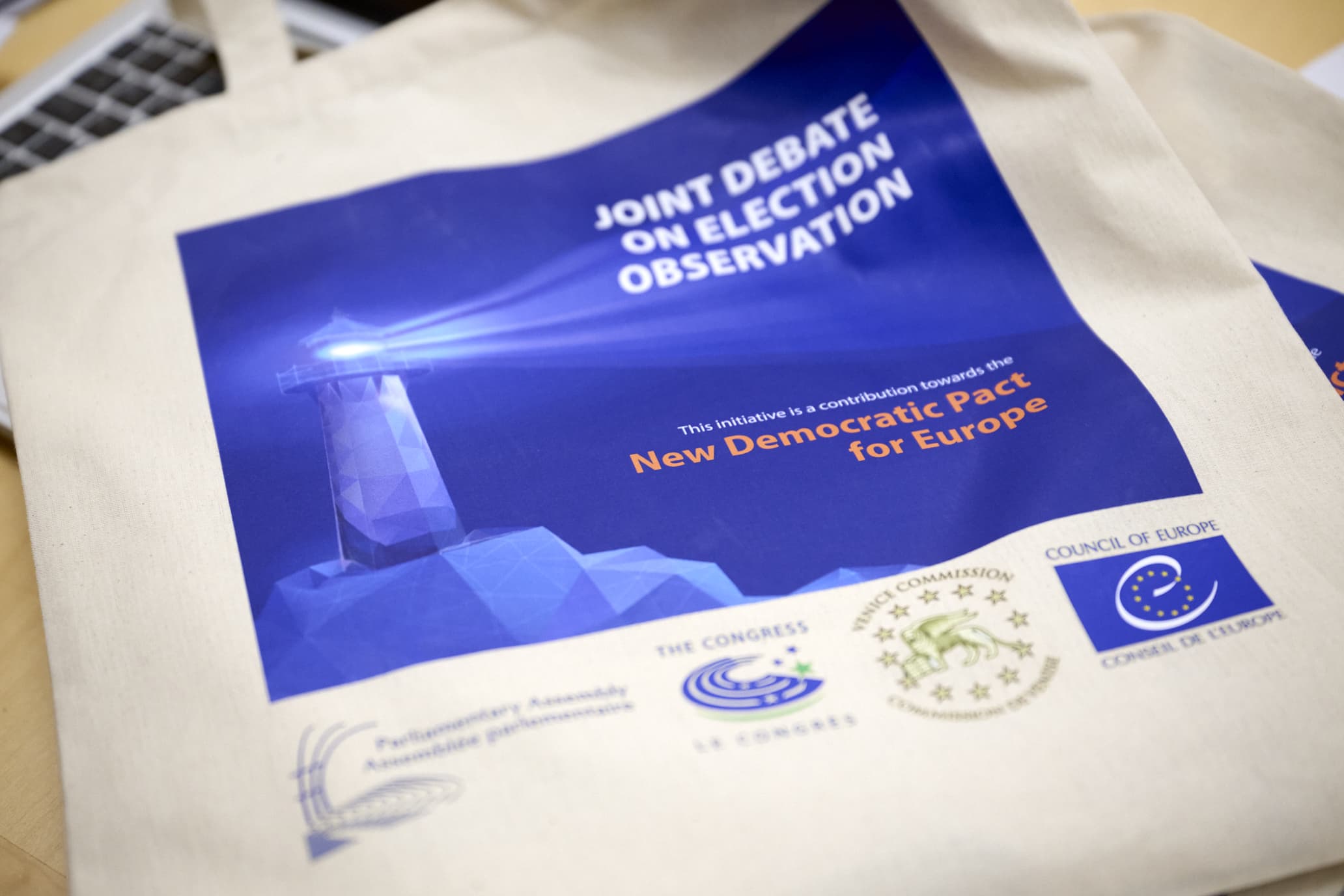
The high-level joint debate “Towards Trusted and Inclusive Electoral Processes: The Role of Observers” was held in Paris on 28–29 April 2026. It was jointly organised by the Parliamentary Assembly of the Council of Europe (PACE), the Congress of Local and Regional Authorities and the Venice Commission, within the framework of the New Democratic Pact for Europe.
The event brought together representatives of Council of Europe institutions, electoral management bodies, parliamentarians, domestic and international observer organisations, civil society and election experts. Discussions focused on the role, rights, protection and credibility of election observers in a rapidly changing electoral environment.
Participants addressed both persistent and emerging challenges to election observation, including gaps in legal frameworks, restrictions on access and accreditation, pressure on domestic observers, shrinking civic space, foreign interference, disinformation, digital campaigning, new voting technologies, out-of-country voting and observation in conflict or post-conflict settings.
A central message from the Paris debate was that election observation remains essential for electoral integrity and public trust, but must continue to evolve. Observation can no longer be understood as a technical exercise limited to election day. It needs to cover the full electoral cycle and the wider democratic environment in which voters make their choices — including media freedom, the campaign environment, political finance, misuse of state resources, digital platforms, civic space, judicial independence, fundamental freedoms and respect for election results.
The debate also underlined the importance of protecting observers, both domestic and international. Observers play a crucial role as watchdogs of democratic processes and, increasingly, as human rights defenders. They need clear legal guarantees, meaningful access, independence, safety and the ability to report findings without intimidation or undue restrictions.
The Paris debate culminated in the adoption of the Paris Call to Action, which calls on Council of Europe member States to recognise the role of domestic and international observation in reinforcing transparency, integrity and public trust; provide strong legislative frameworks for domestic observation; systematically invite international observation missions; ensure meaningful follow-up to observation findings; and support the adoption of a specific Council of Europe instrument to guarantee, protect and promote electoral observation.
As General Rapporteur, Rasťo Kužel contributed to the Paris Call to Action and to the preparation of the summary report and conclusions of the joint debate. The report highlights the need to strengthen legal guarantees for observers, improve co-operation among observation actors, address the threat of fake or politically instrumentalised observation, adapt methodologies to digital and security challenges, and ensure stronger follow-up to election observation recommendations.
The discussions confirmed the importance of continued co-operation among Council of Europe institutions, observer organisations, civil society and electoral stakeholders. They also reinforced the need to support domestic observation and follow-up between electoral cycles, so that recommendations can lead to meaningful reform.
The Paris process represents an important step in the Council of Europe’s ongoing work to strengthen election observation standards, methodology and protection across Europe.
Related links:
-
Speaker's bios 3 MB
-
Paris Call to Action 271 KB
More links: